How Independent Publishing Works: From Manuscript to Bookshop
A practical overview of editing, production, design, printing, distribution and the decisions that shape an independently published book.
Start with the editorial promise
Independent publishing begins with a clear answer to a simple question: why should this book exist? Before schedules and cover meetings, an editor is looking for the strength of the manuscript, the readers it might reach and the reason it belongs on a particular list. A small press often has less room for books that are merely competent, which makes editorial identity especially important.
Acquisition is only the beginning
Once a manuscript is accepted, the work becomes collaborative. Structural editing looks at the shape of the book: pace, point of view, missing scenes, repetition and the balance between what a reader needs to know and what can remain unsaid. Copy-editing comes later and deals with consistency, clarity, grammar, factual queries and the small decisions that make a book feel coherent.
Design turns a manuscript into an object
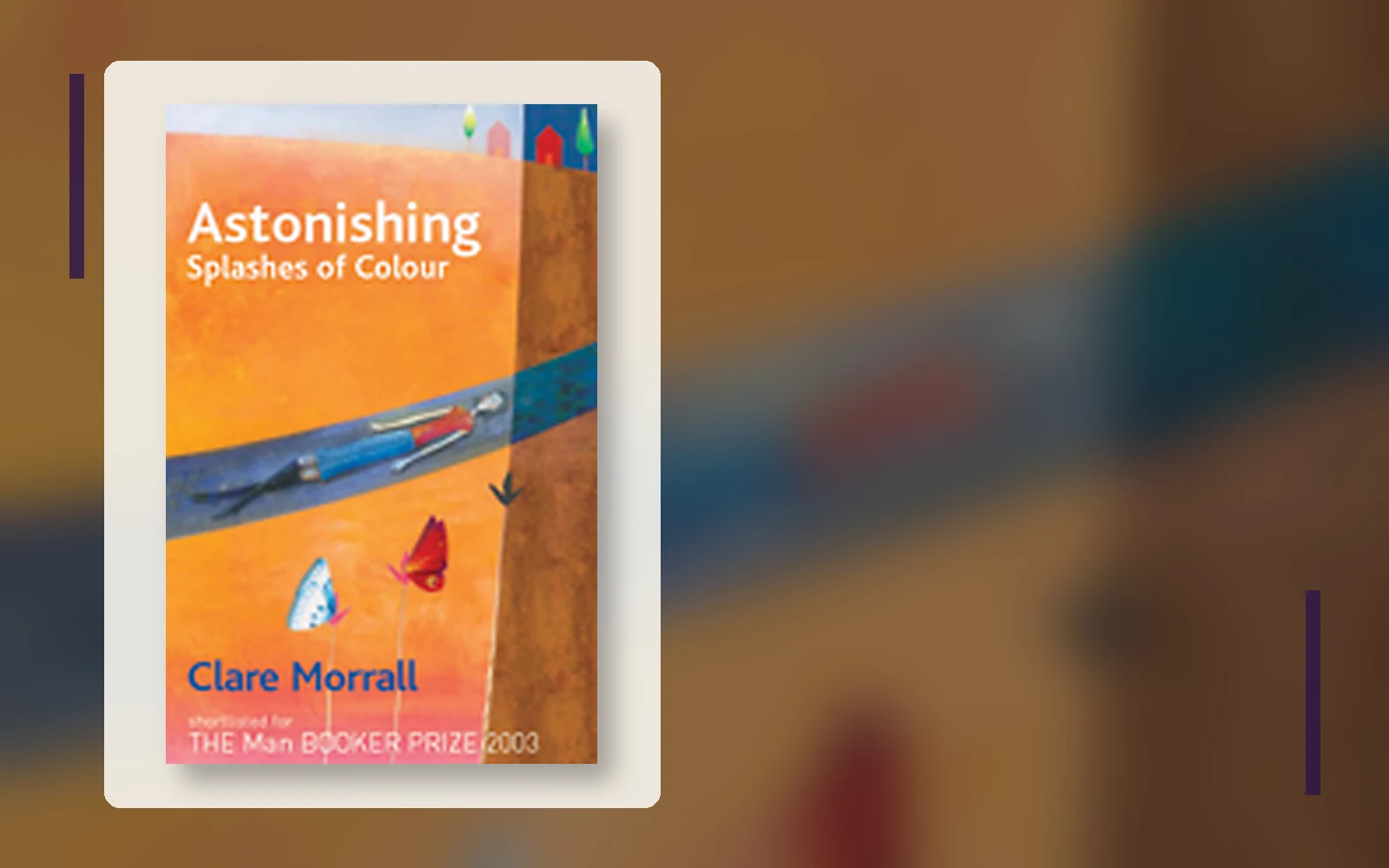
A book is read before it is opened. The cover has to signal genre and mood without simply illustrating the plot. Inside, typography, margins, chapter openings and page rhythm affect how comfortably the story can be read. Good design is quiet: it supports the text and gives the reader confidence that every detail has been considered.
Production is a chain of checks
Proofs are where editorial and design decisions meet. Page numbers, running heads, chapter breaks, widows, orphans, image quality and last-minute corrections all need attention. The aim is not to keep changing the book forever, but to close the project cleanly and send a reliable file to the printer or digital distributor.
Distribution and publicity shape discoverability
A strong book still needs routes to readers. Metadata, catalogue copy, bookseller information, advance copies, events, reviews and author interviews all help the title travel beyond the publisher's own audience. Independent presses often succeed by combining national ambition with precise communities: local booksellers, festivals, libraries, reading groups and specialist media.
What writers can learn from the process
For an author, the useful lesson is that publication is not a single decision. It is a sequence of professional conversations. A clean manuscript, a concise synopsis, a realistic sense of audience and a willingness to revise make those conversations easier. The best submissions leave an editor imagining not just the first read, but the finished book.